
💡 The Big Question: How Does Digital Marketing Really Work in 2026?
Imagine this — you’ve built a great business, but nobody knows about it.
You post on Instagram, run a few ads, maybe even write a blog or two… yet the results feel random.
Here’s the truth — digital marketing works when every piece of your online presence connects together like a well-oiled machine.
And once you understand the digital marketing process step by step, it becomes predictable, measurable, and powerful.
In 2026, businesses that master this process aren’t just surviving — they’re scaling faster than ever.
Let’s break it down 👇
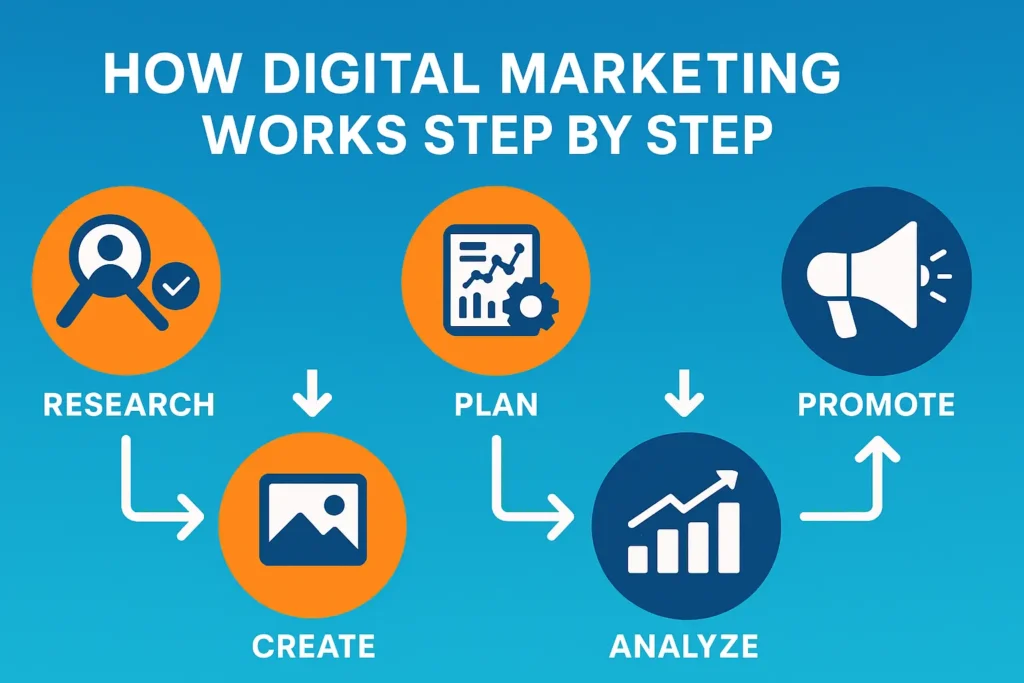
⚙️ Step 1: Understand the Digital Marketing Process
At its core, digital marketing is about reaching the right people at the right time using digital channels.
But behind every viral post or high-converting ad is a system — a repeatable digital marketing process that looks like this:
- Research: Understand your audience, their pain points, and online behavior.
- Plan: Choose the right digital channels (SEO, social, email, PPC).
- Create: Develop content that connects — blogs, videos, reels, or landing pages.
- Promote: Distribute content through ads, social media, or influencers.
- Analyze: Measure what works and optimize for better results.
Each step feeds into the next — forming the online marketing funnel that turns strangers into loyal customers.
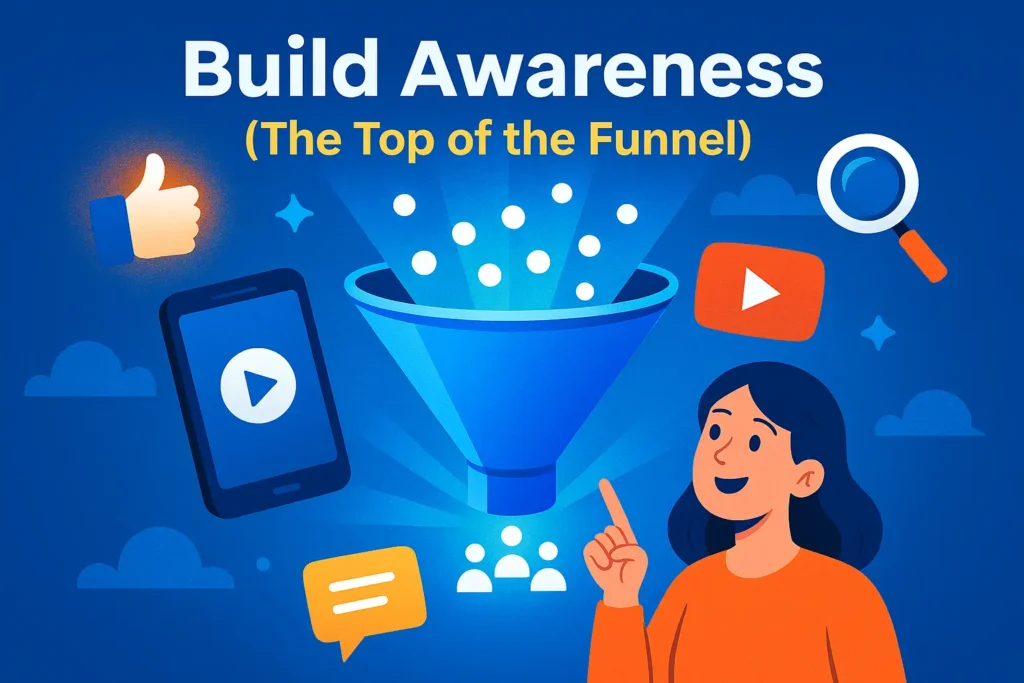
🔍 Step 2: Build Awareness (The Top of the Funnel)
This is where people first discover you.
The goal isn’t to sell — it’s to show up when they need information.
✅ Tactics that work in 2026:
- Ranking on Google through SEO-optimized blogs and fresh, people-first content.
- Creating shareable Instagram Reels, YouTube Shorts, or LinkedIn posts.
- Running brand awareness campaigns via Google Display or Meta Ads.
💡 Example:
A Jaipur-based interior designer used YouTube Shorts tutorials to explain home-makeover tips. Within 90 days, her videos hit 100k views — and her website traffic doubled organically.
That’s how top-funnel visibility fuels brand trust.
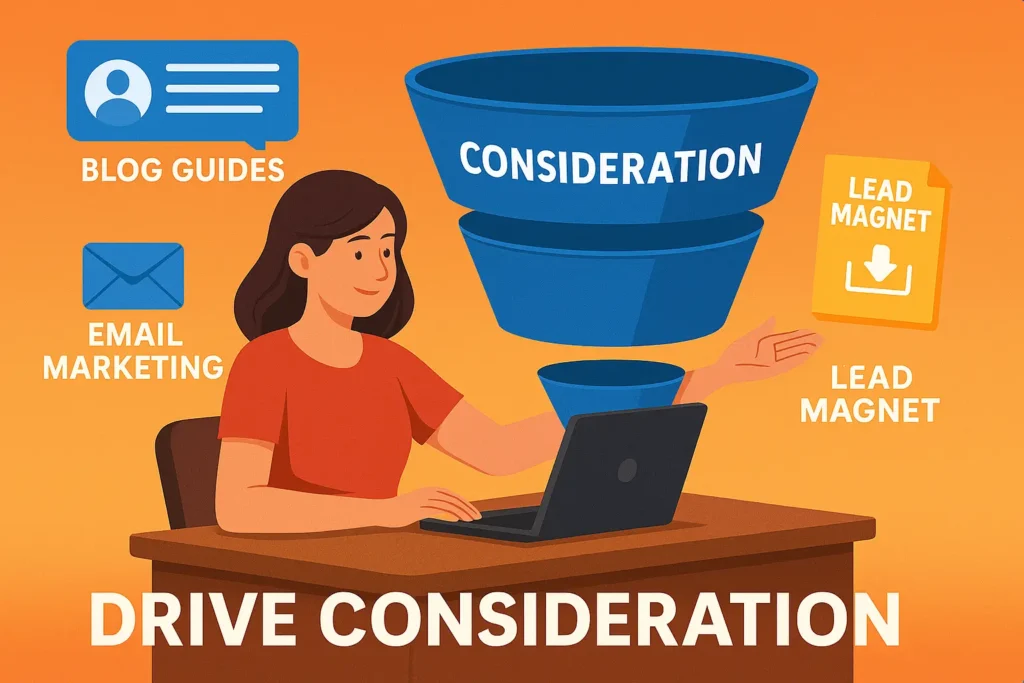
🎯 Step 3: Drive Consideration (Middle of the Funnel)
Once your audience knows you exist, the next step is to educate and nurture them.
This is where the digital marketing process deepens — you start positioning yourself as a trusted expert.
💡 Key Strategies:
- Write in-depth blog guides explaining your service benefits.
- Use email marketing automation to stay connected.
- Offer lead magnets — free eBooks, checklists, or webinars.
People don’t buy when you want them to — they buy when they feel ready. The middle funnel keeps your brand top of mind until that moment arrives.
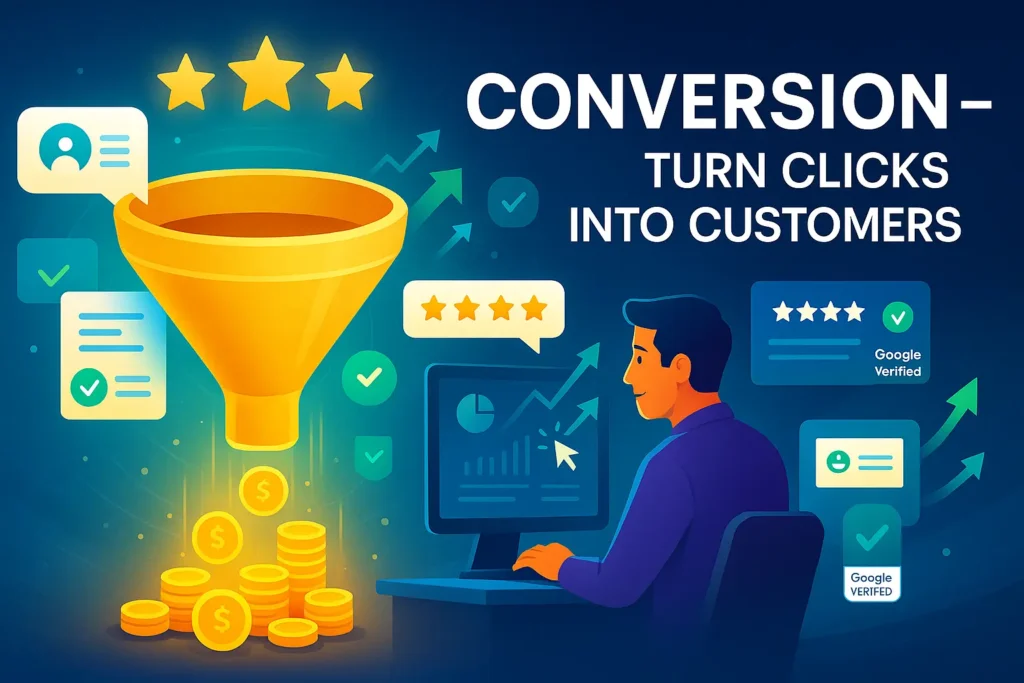
💰 Step 4: Conversion (Bottom of the Funnel)
Now it’s time to convert interest into action — sales, sign-ups, or leads.
This stage of the online marketing funnel focuses on removing friction.
✅ Proven 2026 Conversion Techniques:
- Use Google Ads or Meta Ads with laser-focused targeting.
- Create high-speed, mobile-friendly landing pages with clear CTAs.
- Add trust signals like reviews, testimonials, and Google ratings.
💬 Example:
A small steel trading company in Rajasthan used Google Ads remarketing and saw a 280% jump in lead conversions — by simply re-engaging past website visitors.
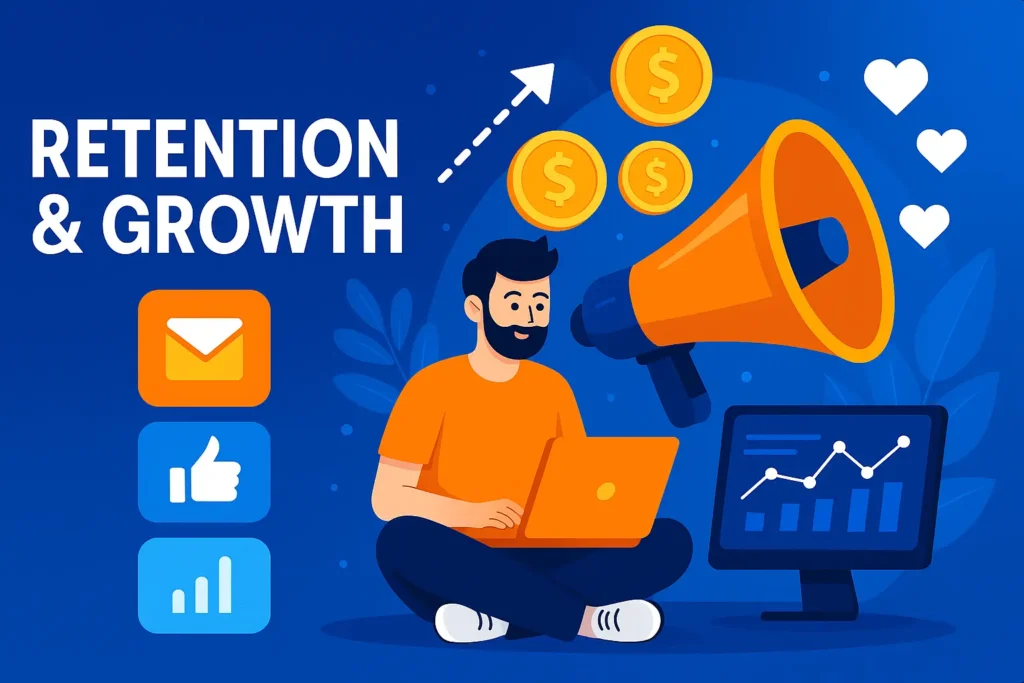
📈 Step 5: Retention & Growth (Beyond the Funnel)
Most businesses stop after the sale.
Smart digital marketers know — the real game starts after conversion.
💡 Keep your customers coming back with:
- Email newsletters and special offers.
- Social engagement and loyalty programs.
- Performance analytics to find what’s driving repeat business.
Use tools like Google Analytics 4, Meta Business Suite, and HubSpot to measure what matters and refine your strategy month by month.
🚀 The Future of Digital Marketing in 2026
As AI and automation evolve, digital marketing is becoming more personalized and predictive.
Tools like ChatGPT, Gemini, and Meta Advantage+ now help businesses create ad copy, analyze customer behavior, and even auto-optimize campaigns.
But remember — technology can’t replace authentic storytelling and strategy.
The brands that win in 2026 are those that combine data with emotion.
🎯 Final Thoughts: It’s Not Magic, It’s Method
When you understand how digital marketing works step by step, it stops being guesswork and becomes a growth engine.
Every click, search, and post contributes to your funnel — from awareness to loyalty.
Whether you’re a small business or a marketing professional, mastering this process means mastering attention — and attention is the new currency in 2026.
What is Digital Marketing? The 2025 Beginner’s Guide Every Business Must Read
🔗 Call to Action
Want to learn how to set up your digital marketing funnel or create a 360° growth plan for your business?
👉 Contact Digital Sadulpur — Let’s build your visibility, leads, and revenue with data-driven strategy.
✍️ Written by Ajay Kumar Sharma
Founder & Digital Marketing Strategist at DigitalSadulpur.com
Ajay Kumar Sharma is a digital marketing strategist with 5+ years of experience helping brands grow through data-driven SEO and performance marketing.
Frequently Asked Questions
Answers about the digital marketing process, funnel stages, tools, and results — quick and actionable.